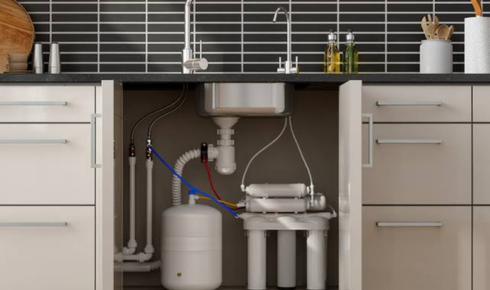
Most homeowners don’t think much about water until something starts acting up. A showerhead sprays sideways. A kettle gets that chalky white ring around the bottom. The dishwasher leaves cloudy marks on glasses that were supposed to come out sparkling. It’s easy to blame the appliance, the soap, or even the cleaning routine, but often the real trouble is flowing through the pipes every single day.
Hard water is not dramatic. It doesn’t usually arrive with a warning sign. It just moves through the home slowly, leaving behind minerals bit by bit. Calcium and magnesium may sound harmless, and in small amounts they are not exactly dangerous, but inside a home’s water system they can become a quiet nuisance. Over time, those minerals collect on surfaces, inside pipes, and around equipment. That’s when small annoyances begin turning into repairs, higher bills, and a lot of unnecessary frustration.
The Small Signs People Usually Ignore
One of the first clues is usually visible in the bathroom or kitchen. White spots on faucets, crust around taps, stiff laundry, dry-feeling skin after a shower, or soap that never seems to lather properly — these are all common signs. People often scrub harder, buy stronger cleaners, or replace fixtures without realizing the same problem will come back again.
The issue is scale buildup, and it tends to be more stubborn than ordinary dirt. It forms when minerals in hard water settle on surfaces after water evaporates or heats up. In a kettle, it looks like a pale crust. In a showerhead, it can block tiny holes. Inside a water heater, it can create a layer between the heating element and the water, forcing the system to work harder than it should.
That’s the tricky thing. What you see on the outside is usually only part of the story.
Why Fixtures Lose Their Shine So Fast
Bathrooms and kitchens take the most visible beating from hard water. Faucets can lose their polished look, shower doors get cloudy, and sinks start looking older than they really are. Even when everything is cleaned regularly, the home can still feel slightly neglected. Not dirty, exactly. Just tired.
This is especially true for plumbing fixtures, because they are constantly exposed to running water, evaporation, soap residue, and cleaning products. Mineral deposits can gather around aerators, cartridges, valves, and joints. Over time, water flow may reduce, handles may stiffen, and little leaks can appear where parts no longer move smoothly.
It’s not always a major plumbing emergency. Sometimes it is just one annoying drip, one weak shower, or one tap that keeps looking stained no matter how often it’s wiped down. But all of those small signs point to the same thing: the water quality is affecting the home from the inside out.
Appliances Work Harder Than They Should
Water-using appliances are expensive, and most families expect them to last for years. The problem is, hard water makes them age faster. Dishwashers, washing machines, coffee makers, water heaters, and ice makers all depend on clean water flow. When minerals start collecting inside hoses, heating elements, and valves, efficiency drops.
A water heater is one of the biggest examples. When minerals settle at the bottom of the tank, the unit has to heat through that layer before warming the water properly. That means more energy use, more strain, and sometimes strange popping or rumbling sounds. A dishwasher may need extra detergent to get the same result. A washing machine may leave clothes feeling rough, even after a full cycle.
Good appliance protection is not only about warranties or buying well-known brands. It also means giving appliances the right water conditions to operate properly. A cheaper machine with better water may sometimes perform better over time than a premium machine constantly fighting mineral deposits. Funny how that works, but homes are full of these little practical truths.
The Cost Is Not Always Obvious
Hard water rarely sends one big bill all at once. Instead, it chips away at the household budget. More detergent. More cleaning sprays. More time scrubbing. Shorter appliance life. Higher energy use. Replacement parts. A plumber visit here, a new showerhead there.
Because the costs are spread out, many people never connect them to the water itself. They think their dishwasher is weak, their towels are old, or their water heater is just naturally inefficient. Sometimes that may be true, of course. But when several problems show up together, hard water deserves a closer look.
There is also the comfort side of it. Softer-feeling laundry, smoother showers, cleaner dishes, and easier cleaning may not sound urgent, but they affect daily life. A home that is easier to maintain simply feels better to live in.
What Homeowners Can Do About It
The best first step is testing the water. It’s simple, usually quick, and it removes the guesswork. Once the hardness level is known, a homeowner can decide whether a water softener, filtration system, conditioner, or whole-home solution makes sense.
Not every home needs the same setup. A small household with moderate hardness may need something different from a large family with high water use and heavy mineral content. Local water conditions matter too. Well water, city water, older pipes, and regional mineral levels can all change the best approach.
Maintenance also matters. Cleaning aerators, flushing water heaters as recommended, checking appliance hoses, and using the right detergents can help reduce stress on the system. These steps may not solve hard water completely, but they can slow down damage and keep things working more smoothly.
A Better Home Often Starts with Better Water
Hard water is easy to overlook because it blends into normal life. The spots, stains, slow drains, dull fixtures, and tired appliances become part of the routine. But they don’t have to be. Once homeowners understand how mineral-heavy water affects the whole house, the problem becomes much easier to manage.
Protecting a home is not always about big renovations or expensive upgrades. Sometimes it begins with paying attention to the water running through it every morning, every shower, every laundry load, every cup of coffee. Clean, balanced water helps the home work the way it was meant to work — quietly, efficiently, and without so many little headaches along the way.