Why Commercial Water Quality Deserves Attention
In many businesses, water works behind the scenes all day. It feeds coffee machines, ice makers, boilers, humidifiers, beverage stations, lab equipment, dish machines, and production lines. Most people only notice it when something goes wrong.
Maybe drinks taste inconsistent. Maybe equipment needs service too often. Maybe scale keeps building up. Or maybe the business needs a higher level of water purity for daily operations.
That is where proper water treatment becomes more than a convenience. It becomes part of reliability, quality, and long-term planning.
When Standard Filtration Is Not Enough
Basic filters can help with sediment, taste, and odor, but some commercial settings need more advanced treatment. Dissolved minerals and contaminants may require a more precise approach.
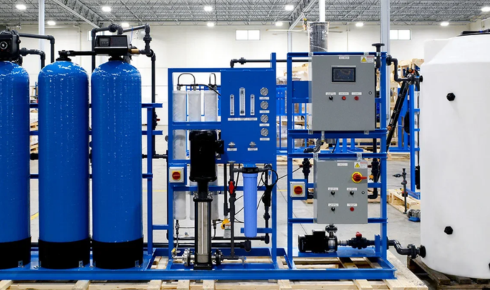
For those situations, commercial reverse osmosis filtration can be a strong solution. It helps reduce a wide range of dissolved substances, supporting cleaner, more consistent water for demanding business applications.
Restaurants, cafés, hotels, laboratories, healthcare facilities, and manufacturing spaces may all benefit from better-controlled water quality, depending on their needs.
The Value of Purified Water
Businesses often rely on consistency. A coffee shop wants every drink to taste the same. A restaurant needs reliable ice and clean-tasting water. A lab or production facility may need water that meets specific quality expectations.
Well-designed purified water systems help support that consistency. They can improve taste, reduce unwanted minerals, and protect equipment from water-related problems.
The right system should be based on testing, usage volume, and the role water plays in the business. A small café and a large production facility will not need the same setup, and that is exactly why planning matters.
Understanding RO Technology
Reverse osmosis works by pushing water through a specialized membrane that helps separate many dissolved solids and impurities from the water. The result is cleaner water that can be used for drinking, beverages, equipment, or process needs.
Modern RO systems are available in different capacities and designs. Some are compact and point-of-use. Others are built for larger commercial demand with storage tanks, pumps, pre-filters, and monitoring features.
Choosing the correct size is important. An undersized system may struggle during peak demand, while an oversized system may cost more than necessary.
Installation Is Part of Performance
A commercial RO setup needs careful installation. Water pressure, flow rate, drain access, storage capacity, pre-treatment, and equipment connections all affect how well the system performs.
Pre-treatment is especially important. If water contains high hardness, chlorine, sediment, or other issues, those conditions may shorten membrane life or reduce efficiency. A good design protects the RO system before water reaches the membrane.
Professional installation helps make sure the system is practical, serviceable, and ready for real business use.
Maintenance Keeps Water Consistent
Commercial systems need routine care. Filters must be changed. Membranes eventually need replacement. Tanks, pumps, and connections may need inspection. Water quality should be checked from time to time to confirm the system is still performing properly.
Skipping maintenance can lead to reduced flow, poor water quality, higher operating costs, and unnecessary wear on equipment.
A simple maintenance plan helps keep everything predictable. For a business, predictable is good.
Where Businesses Use Purified Water
Purified water has many commercial uses. It can support better-tasting coffee, tea, fountain drinks, and ice. It can help reduce scale in steamers and boilers when designed correctly. It may also be used in laboratories, medical offices, manufacturing, car washes, food service, and specialty cleaning.
The goal is not always the same. Some businesses need taste improvement. Others need equipment protection. Others need water that meets a more specific process requirement.
That is why water treatment should never be treated as one-size-fits-all.
A Quiet Investment in Quality
Better water does not always draw attention, but it supports a business in practical ways. It can improve product consistency, protect equipment, reduce bottled water reliance, and support smoother daily operations.
For many commercial spaces, investing in the right purification setup is not just about cleaner water. It is about fewer disruptions, better results, and more confidence in the systems that keep the business moving.
When the water is reliable, everything else has a better chance of running smoothly.