On a farm, water is never just water. It is part of almost everything. It fills troughs, feeds crops, washes equipment, supports the household, and keeps the day moving when there are already a dozen other jobs waiting. When it is clean and steady, nobody talks about it much. When it turns cloudy, smells odd, clogs lines, or fails during a dry stretch, suddenly it becomes the most important thing on the property.
That is the thing about rural water. It often works quietly in the background until one small problem starts causing trouble in ten different places. A slow pump, mineral buildup, algae in a dugout, high sediment, bacteria concerns, or poor pressure can affect more than convenience. It can affect animals, equipment, crops, and even the confidence people have in their daily water supply.
Good water planning is not about making life more complicated. Farm life already has enough moving parts. It is about understanding the source, treating the right problem, and building a system that fits the land rather than forcing the land to fit the system.
Every Water Source Has Its Own Story
A rural property might rely on a well, dugout, pond, cistern, spring, municipal connection, or some mix of all of them. Each source behaves differently. Well water may carry minerals, iron, hardness, or nitrates. Surface water may bring organic matter, algae, sediment, odours, or seasonal changes. Stored water can develop its own issues if it sits too long or is not protected properly.
That is why guessing rarely works. A filter that helps one farm may do almost nothing for the next. Sometimes the water looks perfectly clear but still contains elements that can damage equipment or affect taste, smell, and safety. Other times, the problem is obvious from the first glass.
Proper water testing gives a clear starting point. It helps identify what is actually in the water instead of relying on smell, colour, or old assumptions. Once the numbers are known, the solution becomes much more practical. No wasted money on equipment that does not match the problem. No hoping a basic filter will fix something it was never designed to handle.
Why Farm Water Problems Can Spread Quickly
In a home, poor water might mean scale in a kettle or stains in a sink. Annoying, yes. But on a farm, the same water issue can travel much farther. It can clog irrigation lines, stain tanks, reduce pressure in barns, affect livestock drinking habits, shorten the life of pumps, and make wash-down jobs harder than they should be.
Sediment is a good example. A little dirt or sand in the supply may seem manageable, but over time it can wear pumps, block valves, and make filters work too hard. Iron can create staining and unpleasant smells. Hardness can build scale inside pipes and heaters. Organic material from surface water can cause taste, odour, and maintenance problems.
None of this means the water is impossible to use. It simply means the system has to be designed with the real conditions in mind.
One-Size-Fits-All Rarely Works on Rural Properties
Farms are not identical. One property may need water for a family home and a few animals. Another may support crop irrigation, large livestock groups, multiple outbuildings, and wash bays. The distance water must travel, the pressure required, and the daily demand all matter.
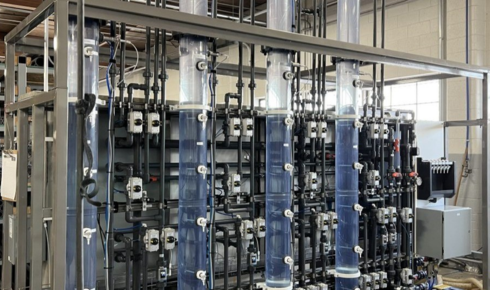
That is where custom engineered systems become valuable. A good setup considers the water source, flow rate, pressure, treatment needs, storage capacity, equipment location, and future growth of the property. It may include filtration, softening, disinfection, nitrate reduction, aeration, storage, or a combination of different stages.
The best system is not always the most complicated one. Actually, a good design often feels simple because it has been thought through properly. It works with the farm’s routine, not against it.
The Special Challenge of Dugout Water
Dugouts can be incredibly useful, especially in rural areas where other sources are limited or seasonal demand is high. But they also come with challenges. Surface water is exposed to weather, runoff, temperature swings, organic matter, algae, insects, wildlife, and changing conditions through the year.
That means dugout water treatment needs more than a quick fix. The water may require sediment removal, organic matter control, disinfection, odour treatment, and proper storage or pumping design. In some cases, pre-treatment is needed before the water ever reaches finer filters or household systems.
Farmers know dugout water can change fast. What looked fine in spring may behave differently in late summer. A system should be built with those seasonal shifts in mind.
Protecting Animals, Equipment, and Daily Work
Clean water supports healthier routines. Livestock are more likely to drink properly when water is fresh, accessible, and consistent. Equipment lasts longer when it is not constantly fighting sediment, scale, or corrosion. Crops receive more reliable support when water flows evenly and does not clog lines or emitters.
There is also the human side. Nobody wants to spend valuable time troubleshooting the same water problem again and again. Rural workdays are long enough without surprise breakdowns, blocked filters, weak pressure, or water that smells bad right when it is needed most.
Good treatment saves time quietly. That may not sound exciting, but on a working property, quiet reliability is worth plenty.
Maintenance Keeps the System Honest
Even the best water setup needs care. Filters need changing. Pumps need checking. Tanks may need cleaning. Pressure should be monitored. Seasonal changes should be reviewed. If the water source changes, the treatment plan may need adjustment too.
Maintenance is not a sign that the system is weak. It is how strong systems stay strong. A regular check can catch small issues before they turn into expensive repairs or inconvenient failures.
Better Water Is a Long-Term Decision
Farm water is not something to treat casually. It affects comfort, productivity, animal care, equipment life, and the everyday rhythm of the property. When the source is understood and the system is properly designed, water becomes less of a worry and more of a dependable part of the farm.
That is the real goal. Not fancy equipment for the sake of it. Not overbuilt systems that confuse everyone. Just clean, practical, reliable water that does its job from morning chores to the last task of the day.
Because when the water works, the whole farm breathes a little easier.