There’s a certain comfort in turning on the faucet without giving it a second thought. You fill a glass, start the dishwasher, jump into the shower, or brew your morning coffee, expecting the water to simply do its job. Most of the time it does. But if you’ve ever noticed cloudy water, stubborn mineral stains, odd odors, or appliances wearing out sooner than expected, you’ve already seen the quiet effects of poor water quality.
Water is woven into almost every part of daily life. It cleans, cooks, washes, hydrates, and even protects expensive household equipment. That’s why improving water quality isn’t just about better-tasting drinking water—it’s about creating a healthier, more efficient home from the inside out.
Water Quality Is Different Everywhere
One neighborhood can have completely different water characteristics from another just a few miles away. Some homes receive hard municipal water filled with dissolved minerals, while others rely on well water that may contain iron, sulfur, sediment, or naturally occurring contaminants.
Even homes connected to the same water supply can experience different issues depending on plumbing materials, household usage, and aging infrastructure.
That’s why choosing a water treatment system based solely on advertisements or online reviews rarely delivers the best results. Understanding your own water first almost always leads to smarter decisions and longer-lasting benefits.
The Hidden Costs of Untreated Water
Many homeowners notice obvious warning signs like white residue around faucets or soap that never seems to lather properly. Those are only part of the story.
Mineral-rich water gradually builds scale inside pipes, water heaters, coffee makers, dishwashers, and washing machines. Over time, that buildup forces equipment to work harder, reducing efficiency while increasing energy consumption.
Then there are the smaller inconveniences that quietly become normal. Dull laundry, spot-covered dishes, dry skin after bathing, and constant cleaning of bathroom fixtures often become accepted as unavoidable when they’re actually linked to water quality.
Addressing these issues early helps protect both your home and your budget.
Treating Water Throughout the Entire Home
Many people begin with a simple faucet filter because they’re mainly concerned about drinking water. While that’s certainly helpful, every faucet and appliance throughout the house uses water too.
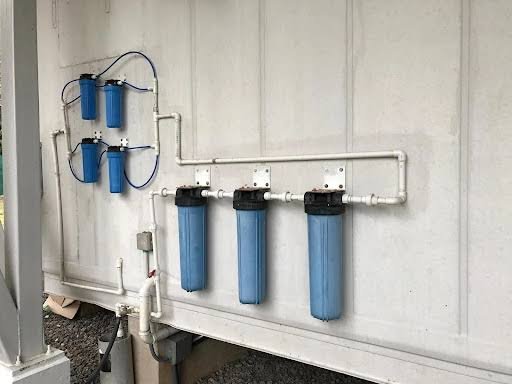
That’s where whole house water filters provide a much broader solution. Installed where water enters the home, these systems help reduce sediment, chlorine, and other unwanted substances before the water reaches showers, sinks, laundry rooms, and appliances.
Instead of improving just one faucet, the entire plumbing system benefits from cleaner water. Families often notice fresher-smelling showers, cleaner dishes, brighter laundry, and less mineral buildup throughout the home.
It’s one improvement that quietly influences nearly every daily routine.
Drinking Water Should Taste as Good as It Looks
Even when municipal water meets safety standards, taste and odor can vary considerably. Chlorine, dissolved minerals, and naturally occurring compounds may leave water tasting flat or slightly unpleasant.
For homeowners who want exceptionally clean water for drinking and cooking, reverse osmosis drinking water systems remain one of the most trusted solutions available.
Reverse osmosis works by forcing water through an extremely fine membrane that removes many dissolved impurities while improving taste and clarity. The result is crisp, clean water that’s ideal for beverages, cooking, baby formula, and even ice cubes.
Many people who install these systems eventually realize they’re reaching for bottled water less often, which reduces both household expenses and plastic waste over time.
Businesses Face Water Challenges Too
Water quality isn’t only a residential concern. Restaurants, hotels, laundromats, healthcare facilities, office buildings, manufacturing plants, and countless other businesses depend on reliable water every single day.
Hard water can reduce equipment efficiency, create maintenance issues, and increase operating costs. Commercial kitchens, boilers, cooling towers, and industrial equipment often experience accelerated wear when untreated water continuously flows through the system.
That’s why many businesses invest in commercial water softeners designed to handle higher water volumes while protecting valuable equipment from mineral scale. These systems help extend equipment life, improve operational efficiency, and reduce costly maintenance interruptions.
For businesses that rely heavily on water, even modest improvements can generate meaningful savings over time.
Better Water Means Better Home Efficiency
Homeowners often focus on water treatment because of taste or appearance, but the efficiency benefits deserve equal attention.
Water heaters heat softened water more efficiently because scale doesn’t accumulate as quickly on heating elements. Dishwashers produce cleaner results using less detergent. Washing machines often require less soap while helping fabrics stay softer over repeated wash cycles.
These improvements may seem small individually, yet together they create meaningful savings in energy, cleaning products, appliance maintenance, and replacement costs.
It’s one of those investments that quietly pays dividends month after month.
Choosing the Right System Matters
Not every home requires the same combination of water treatment equipment.
Some households only need sediment filtration. Others benefit from water softening, reverse osmosis, ultraviolet disinfection, iron removal, or multiple treatment technologies working together.
The smartest decisions usually begin with comprehensive water testing rather than assumptions.
Knowing exactly what’s present in the water allows homeowners to select systems that solve real problems instead of purchasing unnecessary equipment. It also helps ensure long-term performance while avoiding overspending on features that aren’t needed.
A personalized approach almost always produces better results than a one-size-fits-all solution.
Water Quality Is an Investment in Everyday Living
One of the interesting things about improving water quality is that the biggest benefits often aren’t dramatic.
You simply begin noticing fewer annoyances.
Coffee tastes cleaner.
Soap rinses away more easily.
Bathroom fixtures stay cleaner longer.
Laundry feels softer.
Appliances operate more efficiently.
Your family drinks more water because it tastes better.
Those small improvements gradually become part of everyday life until you almost forget what things were like before.
Final Thoughts
Water is one of the few resources we depend on from the moment we wake up until the end of the day. It flows through nearly every household activity, supporting health, comfort, cleaning, cooking, and countless appliances behind the scenes.
Investing in better water quality isn’t simply about filtration equipment—it’s about improving the overall performance of your home while protecting the systems you rely on every day. Whether your goal is cleaner drinking water, healthier plumbing, more efficient appliances, or reduced maintenance costs, the right treatment solution can make a lasting difference.
Over time, the value becomes clear. Better water doesn’t just improve what comes out of the tap—it improves the way your entire home functions, creating a cleaner, more comfortable place for everyone who lives there.