Most people don’t think much about their water until it starts acting strange. A reddish stain in the sink. A swimming-pool smell from the tap. Soap that refuses to lather properly. Coffee that tastes a little flat, though you swear you bought the same beans as last week. Water has a way of giving hints before it becomes a real household headache.
And honestly, those little clues matter. The water running through your home touches almost everything — your skin, your laundry, your dishes, your plumbing, even the appliances you paid good money for. So when something feels off, it’s usually worth looking closer instead of shrugging it away.
Why Water Quality Isn’t Always Obvious
Clear water can still carry minerals, chemicals, or imbalances that affect how it tastes, smells, and behaves. That’s the tricky part. You might fill a glass and see nothing unusual, but your pipes, fixtures, or water heater may be dealing with a completely different story.
Municipal water is treated before it reaches your home, and well water often comes straight from underground sources. Both can be perfectly usable, but both can also pick up issues along the way. Old pipes, changing groundwater conditions, seasonal runoff, treatment changes, or even a nearby construction project can shift water quality more than homeowners expect.
A simple water test often reveals what guesswork cannot. It helps separate minor annoyances from problems that need attention.
When Stains Start Showing Up
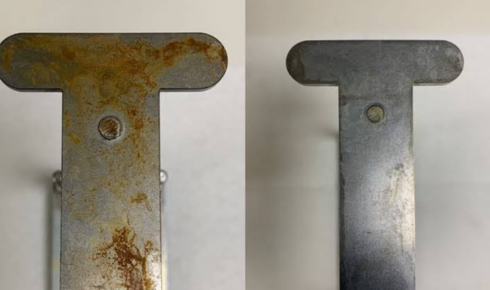
One of the most common complaints homeowners notice is staining. Orange, brown, or reddish marks around sinks, tubs, toilets, and laundry areas often point toward iron and rust content in the water. It doesn’t always mean the water is unsafe, but it can definitely be frustrating.
Iron can come from natural groundwater deposits, especially in homes with private wells. Rust can also enter through aging pipes or corroded plumbing components. Over time, these particles settle on surfaces and leave behind stubborn marks that regular cleaning barely touches.
Laundry can suffer too. White shirts may come out looking dull or slightly yellowed. Towels may feel rougher than usual. Even dishes can pick up spots that make them look dirty right after washing. It’s annoying because the problem keeps returning until the source is properly handled.
The Smell Nobody Wants from the Tap
A strong chemical smell from tap water can make anyone pause. In many homes, that sharp scent is linked to chlorine levels, which are used by many public water systems to control bacteria and keep water safe during delivery.
A small amount of chlorine is normal in treated municipal water. The problem is when the smell or taste becomes too strong for comfort. Some people notice it most in drinking water, tea, ice cubes, or showers where warm water makes the scent more noticeable.
This doesn’t automatically mean something dangerous is happening, but it does affect daily life. Water that smells harsh is less pleasant to drink. Showers may leave skin feeling dry. Cooking with heavily chlorinated water can also change the flavor of soups, rice, pasta, or anything that absorbs water while cooking.
Activated carbon filters are often used to reduce chlorine taste and odor, but choosing the right solution depends on how much is present and where the issue is happening.
Why pH Matters More Than People Think
Water can be too acidic, too alkaline, or somewhere in the comfortable middle. That measurement is called pH balance, and while it sounds a bit like something from a chemistry class, it plays a very real role inside the home.
Low pH water may be acidic enough to slowly wear on metal pipes, fixtures, and water-using appliances. In some cases, it can contribute to blue-green stains from copper plumbing. High pH water, on the other hand, may taste bitter or feel slippery, and it can sometimes go hand in hand with mineral buildup.
The important thing is that pH doesn’t usually announce itself loudly. You may only notice small signs — odd taste, fixture stains, pipe wear, or recurring scale. That’s why testing is useful. It gives you numbers instead of vague symptoms.
Water Problems Often Work Together
Here’s where things get a little messy. Water quality issues don’t always show up one at a time. A home may have iron staining, hardness buildup, and a chlorine taste all happening together. Another home may have acceptable mineral content but an uncomfortable pH reading.
That’s why buying a random filter online can be hit or miss. One filter may improve taste but do nothing for staining. Another system may soften water but not address odor. A proper test helps match the treatment to the actual problem instead of throwing money at guesses.
For example, iron may require an oxidation filter or specialized filtration setup. Chlorine taste may respond well to carbon filtration. pH issues may need neutralizing media or other corrective treatment. The right answer depends on the water itself, not just the symptom.
Small Signs You Shouldn’t Ignore
You don’t need to panic over every spot or smell, of course. Homes have quirks. Still, certain signs are worth paying attention to.
If stains keep coming back after cleaning, something in the water may be causing them. If water tastes metallic, bitter, salty, or chemical-like, testing makes sense. If your skin feels dry after showering, your soap doesn’t rinse well, or appliances seem to collect buildup quickly, your water may be part of the reason.
Private well owners should be especially mindful. Well water is not monitored the same way city water is, so regular testing is a smart habit. Even if everything seemed fine last year, groundwater can change.
The Value of Knowing What’s in Your Water
There’s a certain peace of mind that comes from knowing what you’re dealing with. Water testing doesn’t have to be complicated, and it doesn’t mean you’ll automatically need an expensive system. Sometimes the results are reassuring. Sometimes they point to a small fix. And yes, sometimes they reveal an issue that deserves quick attention.
Either way, information beats guesswork.
Good water should feel simple. It should taste clean, rinse properly, protect your plumbing, and not leave you scrubbing the same stains every weekend. When it doesn’t, your home is probably trying to tell you something in its own quiet, drippy little way.
Listening early can save money, protect your appliances, and make everyday routines more pleasant. Because water may be easy to overlook, but once it improves, you notice it everywhere.