
There’s a certain moment that tends to change how people think about water. Sometimes it’s when the coffee starts tasting odd for no obvious reason. Other times it’s dry skin that won’t go away, cloudy dishes fresh out of the dishwasher, or that faint smell from the kitchen tap you suddenly can’t unnotice.
For years, most households simply trusted whatever came through the pipes. And to be fair, many municipal water systems do a decent job. But lately, people have become more curious — maybe even a little cautious — about what’s actually in their water and how it affects everyday life.
It’s not really about fear. It’s more about comfort, health, and wanting the basics at home to feel reliable again.
Clean Water Changes Small Daily Habits
One thing people rarely talk about is how much water shapes the rhythm of a normal day. You wake up and use it immediately. Coffee, brushing your teeth, cooking breakfast, washing dishes, taking a shower — it’s woven into almost every routine without us thinking much about it.
When water quality improves, those little routines often feel better too.
Many homeowners now invest in drinking water systems because they want cleaner, better-tasting water without constantly buying bottled water. And honestly, once people get used to filtered water at home, they tend to notice the difference everywhere else.
Tea tastes smoother. Ice cubes stop carrying strange odors. Even simple things like filling up a reusable bottle before leaving the house become more convenient.
There’s also the peace of mind factor. Families with children especially seem to appreciate knowing they’ve taken an extra step toward cleaner water at home.
Hard Water Is More Common Than People Think
In many areas, the issue isn’t contamination so much as mineral-heavy water. Hard water can quietly create problems for years before homeowners fully realize what’s happening.
You’ll see white residue around faucets. Soap doesn’t rinse properly. Towels lose softness. Water heaters become less efficient over time because minerals build up inside the system. It’s not dramatic, but it slowly becomes expensive and frustrating.
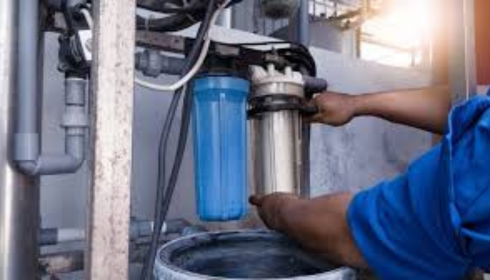
That’s where properly designed water filtration systems can make a noticeable difference. Some are built specifically for drinking water, while others focus on reducing sediment, chlorine, excess minerals, or unpleasant smells throughout the home.
The interesting thing is that people often install filtration equipment expecting one benefit and end up noticing five or six others they didn’t anticipate. Better skin after showers. Cleaner laundry. Less scrubbing around sinks. Appliances lasting longer.
Those small improvements stack up over time.
Every Home Has Different Water Challenges
One mistake people make is assuming all water problems are basically the same. They’re not.
A house connected to a city supply may deal mostly with chlorine taste or aging infrastructure. Meanwhile, homes using private wells can face completely different issues like sulfur odors, iron staining, or sediment buildup.
That’s why blanket recommendations rarely work.
Good water treatment usually starts with understanding what’s actually in the water first. A professional test often reveals things homeowners weren’t expecting at all. Sometimes the issue is minor and easily fixed. Other times it requires a more layered approach.
Many companies now specialize in problem water solutions tailored to specific local conditions rather than selling one universal system for every household. That personalized approach tends to work better because water quality can vary dramatically even between neighboring communities.
And honestly, it saves people from wasting money on equipment that doesn’t address the real issue.
The Shift Away From Bottled Water
There’s also been a noticeable cultural shift over the past few years. More people are trying to reduce plastic waste and rely less on disposable bottled water. At the same time, they still want water that tastes clean and feels safe.
Home filtration systems sit right in the middle of that change.
Instead of hauling heavy cases from the supermarket every week, homeowners can create a more sustainable setup directly in their kitchen. Over time, it often saves money too, especially for larger families.
And while no filtration system can magically solve every water concern overnight, having control over your own water quality feels important to many people now. Maybe more important than it used to.
Water Quality Affects Comfort More Than We Realize
The thing about water is that it’s easy to overlook when everything works properly. It fades into the background of daily life. But when there’s an issue, even a subtle one, it slowly affects comfort in ways people don’t immediately connect.
Dry hair. Scratchy laundry. Mineral spots. Bad-tasting coffee. Frequent appliance repairs.
None of these problems seem huge on their own. Together, though, they can make a home feel less comfortable than it should.
That’s probably why more homeowners are becoming proactive instead of waiting until something breaks or becomes impossible to ignore. Better water isn’t really a luxury anymore for many families. It’s part of creating a healthier, more functional living environment.
And in a strange way, improving water quality often ends up improving a lot of other small parts of life too — quietly, gradually, without much fuss.